
Nigeria’s Offshore Investment Outlook: US$30–50 billion in Projects Expected to Drive Upstream Growth Between 2026 and 2030

Nigeria’s upstream oil and gas sector is projected to witness significant offshore investment over the next four years, with at least 22 major offshore projects expected between 2026 and 2030. The Nigerian Upstream Petroleum Regulatory Commission (“NUPRC”) estimates that these projects have the potential to attract between US$30 billion and US$50 billion in investment. The […]
WHEN A BANKING PARTNER LOSES ITS LICENCE: WHAT THE CBN’S REVOCATION OF 46 MFB LICENCES MEANS FOR FINTECH RESILIENCE AND CUSTOMER FUNDS
Background Many Nigerian fintech products rely on a licenced bank or other regulated institution for the legally regulated layer beneath the interface. The fintech may control the brand, technology and customer experience, while the regulated institution accepts deposits, provides accounts or performs other activities within its licence and approvals. The precise allocation of roles varies […]
Building on Series I: Federal Government Set to Issue ₦729 Billion Series II Bond to Deepen Liquidity Restoration in Nigeria’s Power Sector

Dear Readers, Nigeria’s efforts to restore financial stability in its electricity sector have entered a new phase. Following the successful issuance of the ₦501 billion Series I bond, the Federal Government on 21 July 2026 announced plans to raise a further ₦729 billion Series II bond under the Presidential Power Sector Debt Reduction Programme […]
Open Banking and Digital Lending in Nigeria: Opportunities, Risks and Regulatory Readiness
Introduction Prior to the advent of open banking, lenders have long relied on a mix of credit bureau data, bank statements, employment records, and increasingly, alternative data sources to assess borrower risk. However, these inputs have often been fragmented, difficult to verify in real time, and unevenly accessible across institutions. For digital lenders in particular, […]
LASERC’s 24/7 Electricity Franchise Zones: A New Chapter for Power Supply in Lagos?
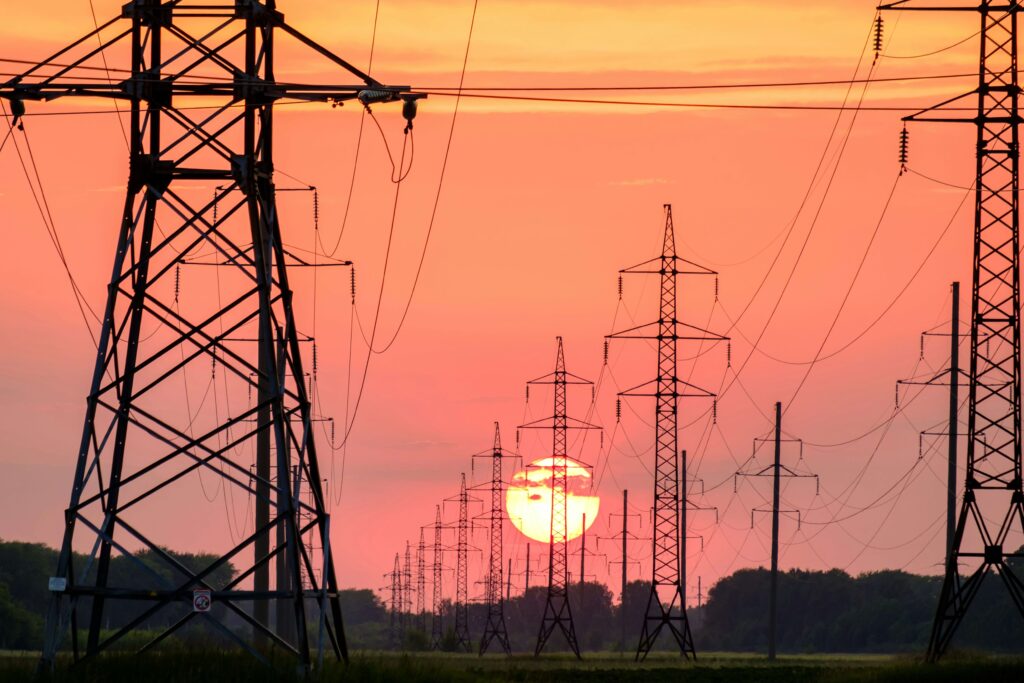
Dear Readers, Lagos is building a new electricity market from the ground up! For many Lagos residents and businesses, unreliable electricity has become part of everyday life. Power outages interrupt work, damage appliances, slow down businesses, and force millions to rely on expensive diesel and petrol generators. But the reform now unfolding under the […]
Nigeria’s Airtime Lending Shake-Up: Regulation, Litigation and the New Market Opportunity
Nigeria’s airtime and data credit market is undergoing a significant regulatory reset. What was once treated largely as a telecoms value-added service is now being regulated within the broader digital consumer lending ecosystem. Following the implementation of the Federal Competition and Consumer Protection Commission’s Digital, Electronic, Online and Non-Traditional Consumer Lending Regulations, 2025 (“DEON Regulations”), […]
Regulatory Sovereignty: The New Competitive Frontier for Nigerian Fintech
The first era of Nigerian fintech rewarded speed. Companies that could process payments faster, designed cleaner interfaces, and deliver smoother onboarding captured users and attracted capital. But the market has moved. Speed and user experience remain necessary, but they are no decisive advantages. The next phase will be defined by whether a company has the […]
Beyond Delisting: The CBN’s Automated AML Standards and Nigeria’s Shift to Continuous Compliance
Following reforms to its anti-money laundering, counter-terrorism financing, and counter-proliferation financing (AML/CFT/CPF) framework, Nigeria was removed from the Financial Action Task Force (FATF) list of “Jurisdictions Under Increased Monitoring” (Grey List) in 2025. Subsequently, in January 2026, the European Commission (EC) followed with a formal delisting of Nigeria from its list of “High-Risk Third Country […]
The Poison Pill+ White Knight: Can This Hostile Takeover Strategy Be Applied in Nigeria?

A Practical Guide for Boards, Investors and Deal Advisers in Nigeria Most Nigerian boards have never faced a hostile takeover. That is changing, and the playbook for responding has not yet been written. Hostile takeovers represent one of the most intense struggles in mergers and acquisitions (M&A), and they are not just reserved for the […]
Beyond Credit Scores: The Rise of AI-Driven Lending in Nigeria
Nigeria’s credit challenge is often misunderstood. The issue is not that Nigerians are inherently poor borrowers. Rather, the difficulty lies in how creditworthiness has traditionally been assessed. Traditional credit scoring models rely heavily on formal credit histories and bureau data. In Nigeria, however, such data covers only a limited portion of the population, leaving many, […]
