
Deep Offshore Oil And Gas Projects Incentives (Tax Remission) Order, 2026: Nigeria Expands Fiscal Support For Deep Offshore Developments

Introduction On 6 August 2026, the President of the Federal Republic of Nigeria signed the Deep Offshore Oil and Gas Projects Incentives (Tax Remission) Order, 2026 (the “2026 Order”). The 2026 Order establishes a framework of tax remission incentives intended to encourage investment in qualifying deep offshore oil and gas developments and enhance the commercial […]
The Human and Regulatory Cost of Illegal Mining: Re-evaluating Nigeria’s Artisanal Mining Framework

Dear Readers, Nigeria’s solid minerals sector has in the last few years bolstered its efforts to establish itself as more than a footnote to oil. Last month, those efforts collided with a tragedy that has little to do with investment decks or licensing rounds. Thirty-seven detainees arrested in an anti-illegal mining raid reportedly died in […]
Guidelines on the Procedures for Technical Audit of the Transmission System and Network Data Validation
Introduction Nigeria’s transmission network remains the backbone of the Nigerian Electricity Supply Industry (“NESI”), serving as the critical link between the generation and distribution segments of the value chain. Despite recent investments in transmission infrastructure, a significant gap persists between the network’s installed (nameplate) capacity and its actual wheeling capability, with recurring grid disturbances underscoring […]
Nigeria’s Offshore Investment Outlook: US$30–50 billion in Projects Expected to Drive Upstream Growth Between 2026 and 2030

Nigeria’s upstream oil and gas sector is projected to witness significant offshore investment over the next four years, with at least 22 major offshore projects expected between 2026 and 2030. The Nigerian Upstream Petroleum Regulatory Commission (“NUPRC”) estimates that these projects have the potential to attract between US$30 billion and US$50 billion in investment. The […]
Building on Series I: Federal Government Set to Issue ₦729 Billion Series II Bond to Deepen Liquidity Restoration in Nigeria’s Power Sector

Dear Readers, Nigeria’s efforts to restore financial stability in its electricity sector have entered a new phase. Following the successful issuance of the ₦501 billion Series I bond, the Federal Government on 21 July 2026 announced plans to raise a further ₦729 billion Series II bond under the Presidential Power Sector Debt Reduction Programme […]
2026 Mid-Year Nigeria Mining Sector Report
Nigeria’s solid minerals sector enters the second half of 2026 at a defining juncture. The 2016 Mining Roadmap has concluded its ten-year mandate, sector revenues have grown more than fivefold in three years, and domestic mineral processing capacity is beginning to emerge at scale. Yet the gap between policy ambition and industrial execution remains the […]
LASERC’s 24/7 Electricity Franchise Zones: A New Chapter for Power Supply in Lagos?
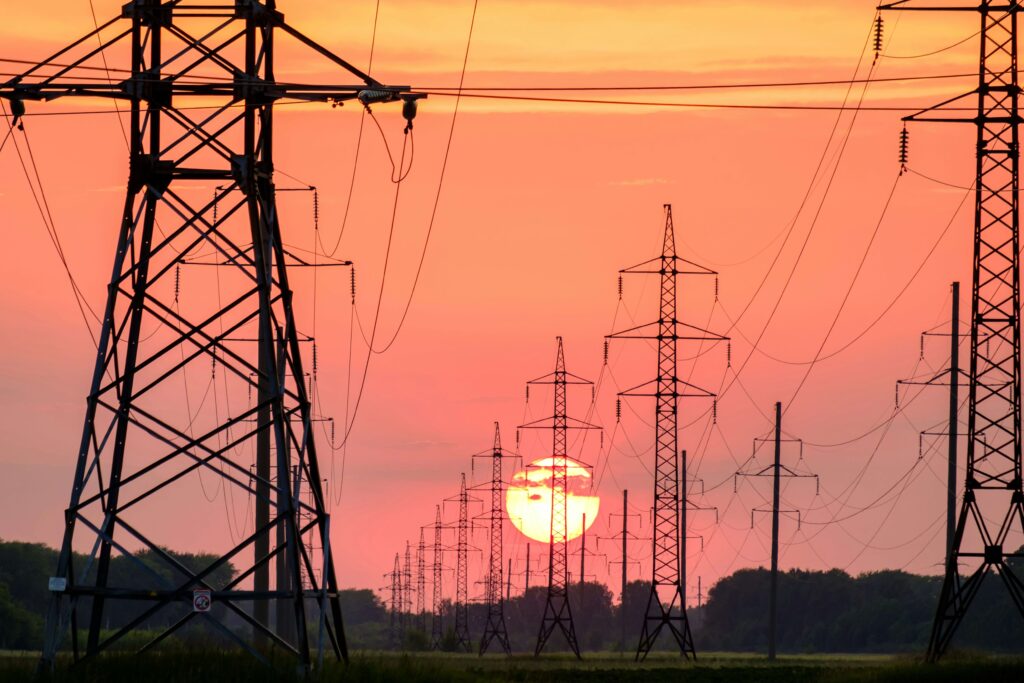
Dear Readers, Lagos is building a new electricity market from the ground up! For many Lagos residents and businesses, unreliable electricity has become part of everyday life. Power outages interrupt work, damage appliances, slow down businesses, and force millions to rely on expensive diesel and petrol generators. But the reform now unfolding under the […]
Nigerian Corporate Transaction Regulation and Governance
Introduction Nigeria entered 2026 with stronger underlying momentum in its non-oil economy, but within a more structured and increasingly regulated business environment. Data Published by the National Bureau of Statistics shows real GDP growth of 4.07% in Q4 2025, with the non-oil sector contributing over 97% of total output. Agriculture remained the largest contributor at […]
Revenue of the Federation and Constitutional Jurisdiction: Reassessing the Supreme Court in A.G., Abia State & Ors. V. A.G., Federation

The term “revenue of the Federal Republic of Nigeria” (in précis, “revenue of the Federation”) encompasses all sums standing to the credit of all the federating units of the federation and liable to be paid into the Federation Account. Guided by the principle of the common good, the revenue of the Federation is held in […]
The Nigerian Overnight Financing Rate – A Turning Point for Nigerian Financial Markets

In a bid to align the Nigerian financial market with global standards and strengthen the efficiency of its financial market infrastructure, the Central Bank of Nigeria (CBN), in collaboration with the Financial Markets Dealers Association (FMDA), introduced a new benchmark reform known as the Nigerian Overnight Financing Rate (NOFR). At its core, the NOFR […]
